As e-commerce and modern supermarket chains (Modern Trade) grow explosively, some may assume the traditional distribution channel (General Trade - GT) has become obsolete. In reality, in Vietnam the GT channel remains the backbone of retail — the primary route delivering goods to millions of consumers every day. But is conquering this vast, complex network truly easy? With experience distributing over 1 million products for many large domestic and international partners, IDS sheds light on the hidden challenges and how to master this crucial channel.
The enduring vitality of the traditional channel
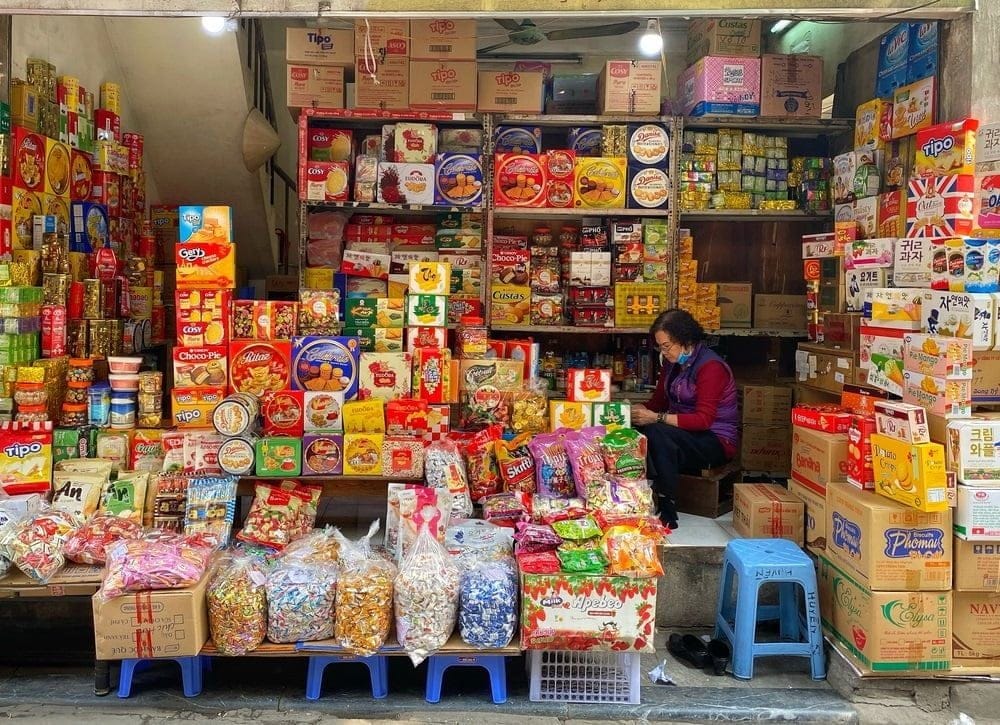
The General Trade channel comprises a diverse system of retail points such as grocery stores, stalls in traditional markets, and small dealers. This is where most Vietnamese people — especially in suburban and rural areas — make daily purchases. GT still accounts for a large share of total FMCG retail revenue in Vietnam.
This dominance comes from its ability to reach every corner of life, its convenience, and the close relationship between seller and buyer. For businesses, ignoring GT means abandoning a large part of the market. Yet behind that enormous scale lies a maze of challenges.
The challenges that are anything but “easy”
| Challenge | Detailed analysis | Impact on the business |
|---|---|---|
| Fragmented, complex structure | Hundreds of thousands of small, independent stores with no standard; goods pass through many intermediaries before reaching the shelf. | Hard to manage and roll out consistent sales policies and merchandising; market information flow is broken. |
| Managing the sales force | A large team is needed to cover wide areas; supervising, training, and ensuring performance is extremely difficult. | High personnel cost, fraud risk, uneven performance, hard to measure accurately. |
| Fierce competition at the point of sale | Limited shelf space; dozens of brands compete for prime spots; the store owner’s decision is decisive. | Products easily get lost; heavy trade-marketing and discount costs to win priority. |
| Lack of market data | GT is like a “black box”: little accurate data on sales-out, store-level inventory, or consumer feedback. | Decisions rely on intuition and sales-in data, leading to wrong forecasts, overstock, or stockouts. |
| Logistics optimization | Delivering small orders to thousands of scattered locations drives up cost and lengthens time. | Higher distribution cost, lower margins, late-delivery risk affecting product availability. |
How IDS conquers the General Trade channel
Faced with these challenges, applying technology and building a smart operating process is the key to winning. At IDS, we have turned the difficulties of GT into a competitive advantage for our partners.
“We don’t see GT as a scattered collection of stores, but as an ecosystem that must be connected by technology and run on data. That’s how we turn complexity into strength.” — A distribution expert from IDS
By deploying a Distributor Management System (DMS), we create a digital platform connecting the entire supply chain. Sales staff are equipped with a mobile app to place orders, capture market information, and track their routes. Sales data from each store is updated in real time, giving us and our partners a transparent view of what is happening in the market.
As a result, decisions on production, inventory, and marketing programs are based on real data, increasing accuracy and effectiveness. Logistics processes are also optimized to cut costs and ensure products are on the shelf when consumers need them.
Conclusion
Offline distribution via the traditional channel is certainly not an easy road. It demands significant investment in resources, persistent dedication, and a smart operating strategy. Yet given its irreplaceable scale and importance, it is a battle every consumer-goods business must join and be determined to win. Success comes from having a strategic partner who deeply understands the “rules” of GT and owns the technology to master the game.