Vietnam is one of the most dynamic consumer markets in Southeast Asia, opening a door of great potential for imported products. Yet to conquer this market, businesses face not only opportunities but also distinctive challenges. With extensive experience distributing over 1 million products for over 1,000 partners, IDS deeply understands these barriers and knows how to turn them into a sustainable competitive advantage.
The big picture of the imported-goods distribution market
A growing middle class, together with rising awareness of product quality and origin, has strongly driven demand for imported goods. Free trade agreements (FTAs) have also helped remove tariff barriers, creating more favorable conditions for international brands. Even so, the road from port to the Vietnamese consumer is far from smooth.
Businesses face a complex legal and regulatory system, uneven logistics infrastructure, and fierce competition — including administrative delays, inconsistent regulations, and limited infrastructure.
Core challenges and IDS solutions
| Challenge | Detailed analysis | IDS strategic solution |
|---|---|---|
| Customs & legal procedures | Tariffs, import licenses, and specialized inspections change frequently, making compliance and cost forecasting difficult. | Our experts continuously update regulations and provide end-to-end customs services, ensuring fast, lawful clearance. |
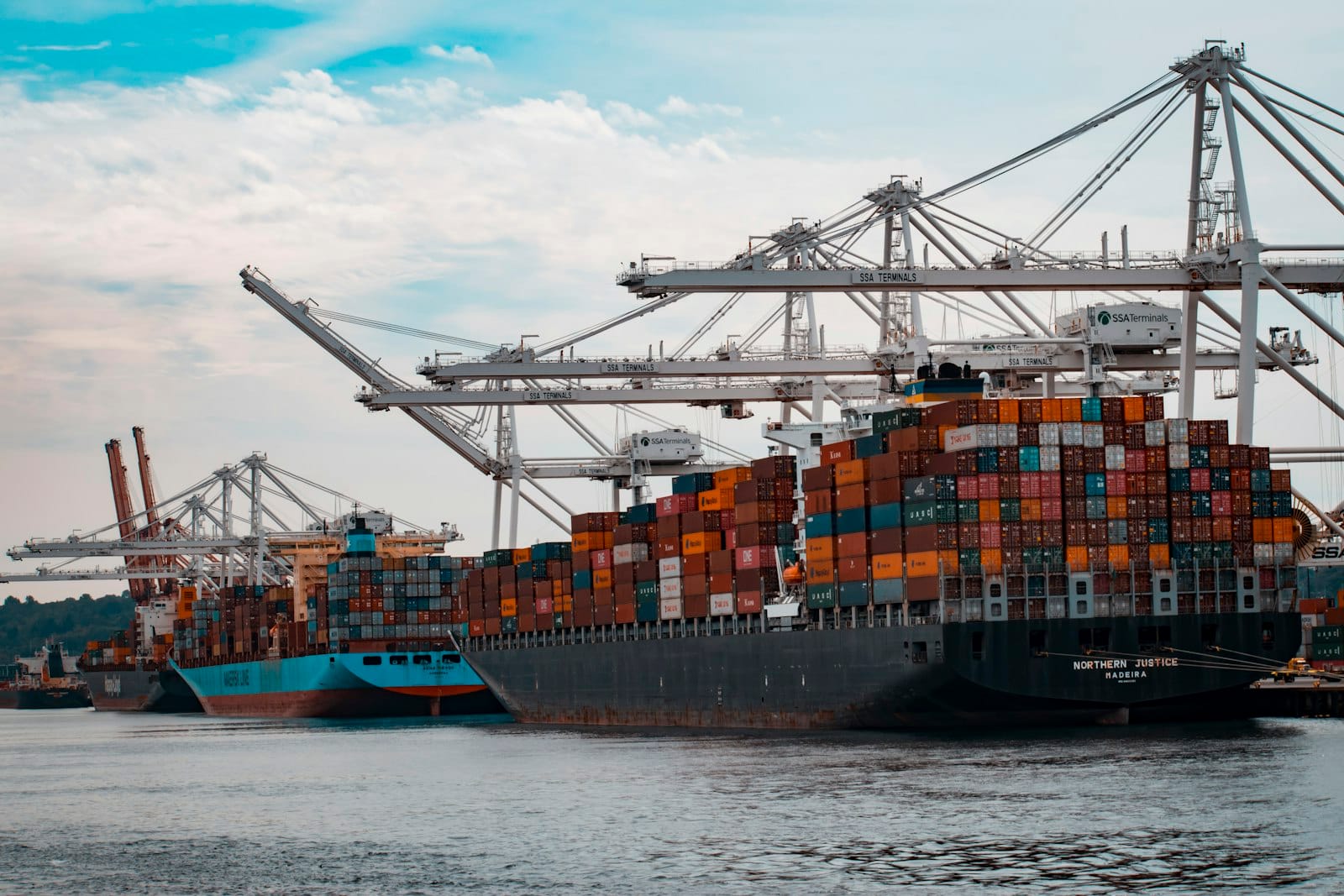
| Logistics infrastructure | Logistics costs remain high; port congestion and incomplete transport networks cause delays and added cost. | An integrated logistics network, multimodal transport, and modern nationwide warehouses; technology to optimize routes and inventory. |
| Fierce competition | Imported goods compete with each other and with increasingly improved domestic products. | Market research, support for pricing and marketing strategy, merchandising, and in-store promotions. |
| Supply chain management | Controlling quality, inventory, and product flow across many distribution tiers carries counterfeit risks. | A transparent DMS tracks products in real time from warehouse to point of sale, countering counterfeits and optimizing stock. |
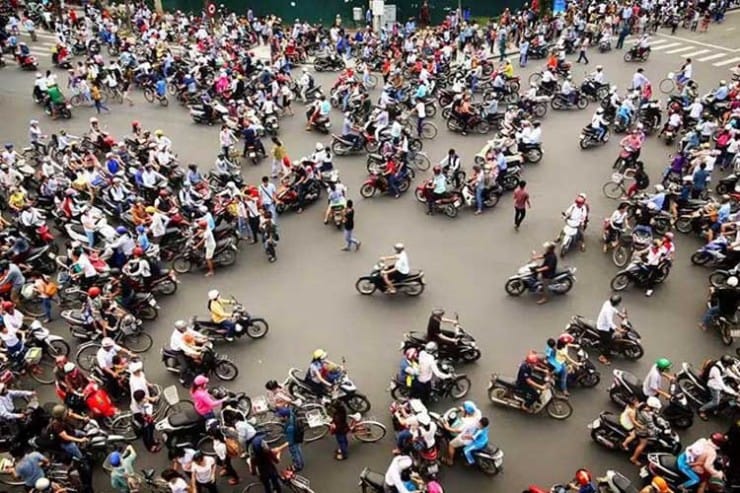
| Consumer culture differences | Tastes and shopping behavior differ widely across regions; a one-size-fits-all strategy is often ineffective. | A nationwide network provides deep local insight to tailor messaging and go-to-market strategy. |
Seizing the golden opportunity
Despite the challenges, Vietnam remains a land of clear opportunity:
- Rising purchasing power: The middle class is projected to reach 26% of the population by 2026, creating a huge consumer base that demands quality.
- Booming e-commerce: Online channels let international brands reach Vietnamese consumers faster and more effectively than ever.
- FTA incentives: Agreements such as EVFTA and CPTPP are gradually removing tariffs on many goods, creating price advantages.
“The key to success is not avoiding challenges, but having a capable partner to turn those challenges into opportunities with you. At IDS, we are committed to being that trusted companion.”
Conclusion
Distributing imported products in Vietnam is a journey of great potential but no shortage of obstacles. Success requires careful preparation, a flexible strategy, and above all a knowledgeable, capable, and trustworthy distribution partner. By partnering with an expert like IDS, businesses can confidently overcome barriers, optimize their supply chain, and fully capture the opportunities the Vietnamese market offers.